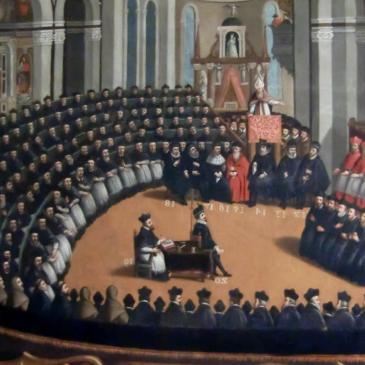
Protected: The Council of Trent on the Doctrine of Justification (1547)
August 17, 2016
There is no excerpt because this is a protected post.
There is no excerpt because this is a protected post.
There is no excerpt because this is a protected post.
There is no excerpt because this is a protected post.
There is no excerpt because this is a protected post.
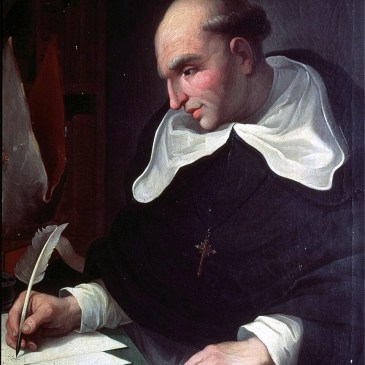
Bartolomé de Las Casas (1484-1566) was a child in Seville when Christopher Columbus first returned to Spain and was enthusiastically celebrated for discoveries of territory dubbed “the Indies” and claimed as territory to be overseen by the Catholic rulers of Spain (specifically Isabella of Castile). As an adult, Las Casas became a colonizer-settler in the … More Bartolomé de Las Casas, O.P., A Short Account of the Destruction of the Indies (1542) and History of the Indies (1565)
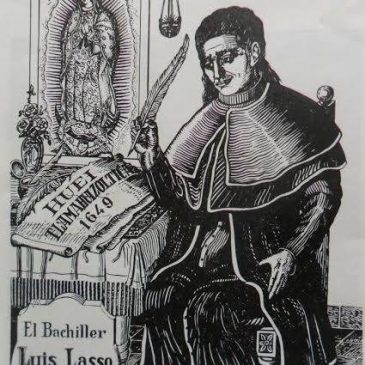
The priest Luis Lasso de la Vega was appointed vicar of the shrine of Tepeyac/Guadalupe in 1647, a small chapel that housed a prized image of the Virgin Mary. When Lasso de la Vega read his fellow priest Miguel Sánchez’s book (in Spanish), The Image of the Virgin Mary Mother of God of Guadalupe (1648), the first … More Luis Lasso de la Vega, The Great Happening: The Story of Guadalupe (1649)
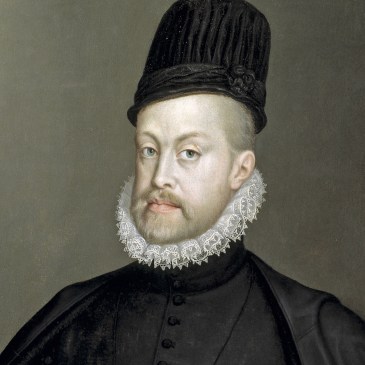
In 1573 King Philip of Spain (1527-1598), whose reign represented the height of Spanish global imperial power, released the following statute as a reinterpretation and reframing of the past, present, and envisaged future expansion of his royal and Catholic religious power. How does language relating to peace, pacification, and native conversion speak to the practices … More Philip II of Spain, Ordinance (1573)
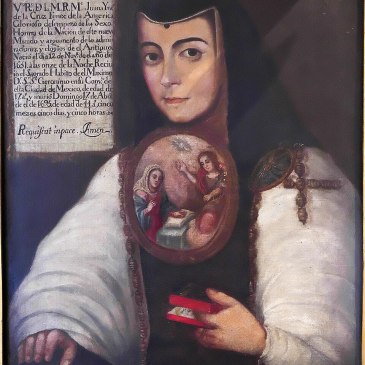
There is no excerpt because this is a protected post.
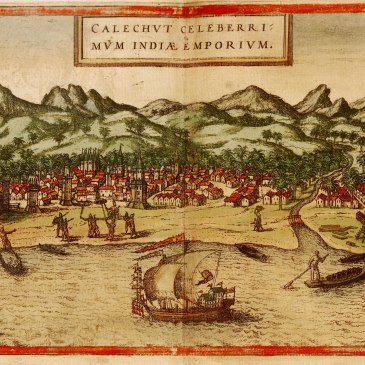
The readings for today are taken from Francis Xavier (1506-1552) and Roberto de Nobili (1577-1656) and relate directly to western missionary activity in India in the sixteenth and seventeenth centuries. Both Francis Xavier and de Nobili were members of the Society of Jesus. But their approaches to the task of evangelization form a study in … More India: religious and cultural encounters, 16th-17th centuries
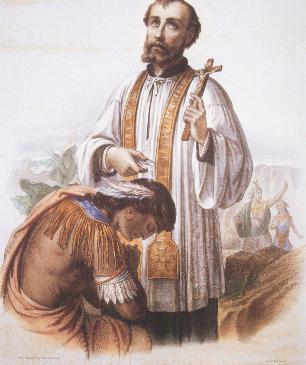
There is no excerpt because this is a protected post.

